
Butter vs milk powder prices continue to influence B2B procurement planning as manufacturers prepare for the 2026 New Year confectionery season. Explore seasonal dairy ingredient pricing, global cost trends, and strategies for securing stable supply for large-scale production.
 Butter vs milk powder prices continue to influence B2B procurement planning as manufacturers prepare for the 2026 New Year confectionery season. Explore seasonal dairy ingredient pricing, global cost trends, and strategies for securing stable supply for large-scale production.
Why Butter vs Milk Powder Prices Matter in Seasonal Procurement ?
Butter vs milk powder prices are once again at the center of attention for dairy ingredient buyers, food manufacturers, and confectionery producers preparing for the high-demand New Year season of 2026. In key markets seasonal dairy ingredient pricing is becoming an essential part of procurement strategy as companies work to protect costs and ensure uninterrupted production.
Every New Year, demand for chocolates, biscuits, baked goods, dairy desserts, and specialty confectionery rises dramatically. This drives intense competition for raw materials such as butter, skim milk powder (SMP), and whole milk powder (WMP). As global dairy markets prepare for winter 2025–2026, B2B buyers are evaluating cost trends carefully to decide how to allocate budgets, lock contracts, and diversify supply sources.
Butter Prices Enter 2026 With Higher Volatility
Butter prices typically experience strong upward pressure in Q4 and early Q1, and this trend is expected to continue into 2026 due to:
• Strong winter demand in Europe and Asia
• Slower milk production cycles in colder regions
• Increased consumption of bakery and confectionery products
• Export pressure from high-demand regions (MENA, Southeast Asia, CIS countries)
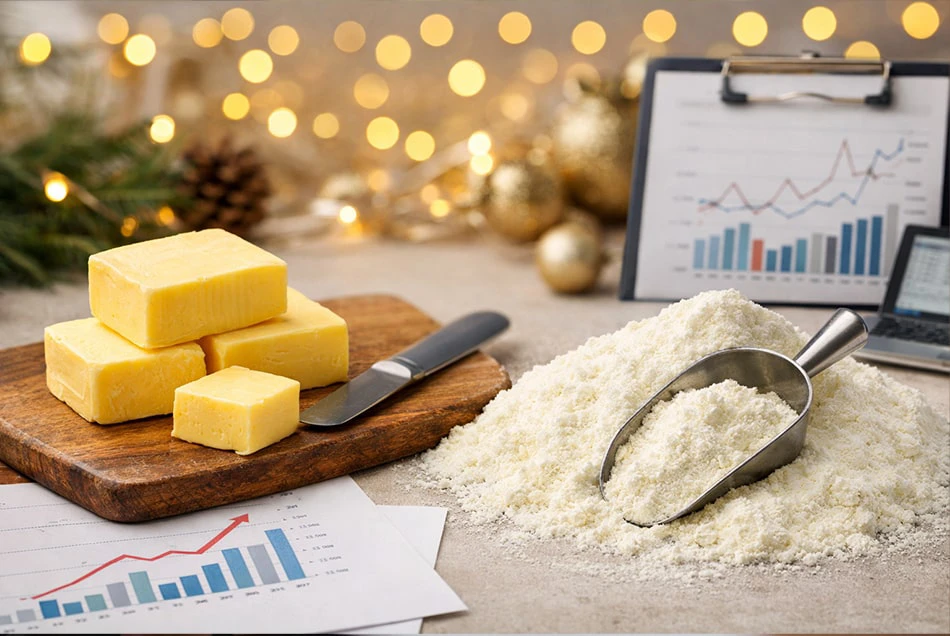
The final months before New Year consistently show sharp butter price escalation, making procurement more challenging for large-scale manufacturers. Because butter is heavily used in premium confectionery, cost volatility directly impacts product pricing, production planning, and profit margins.
Milk Powder Prices Remain More Stable for New Year Production
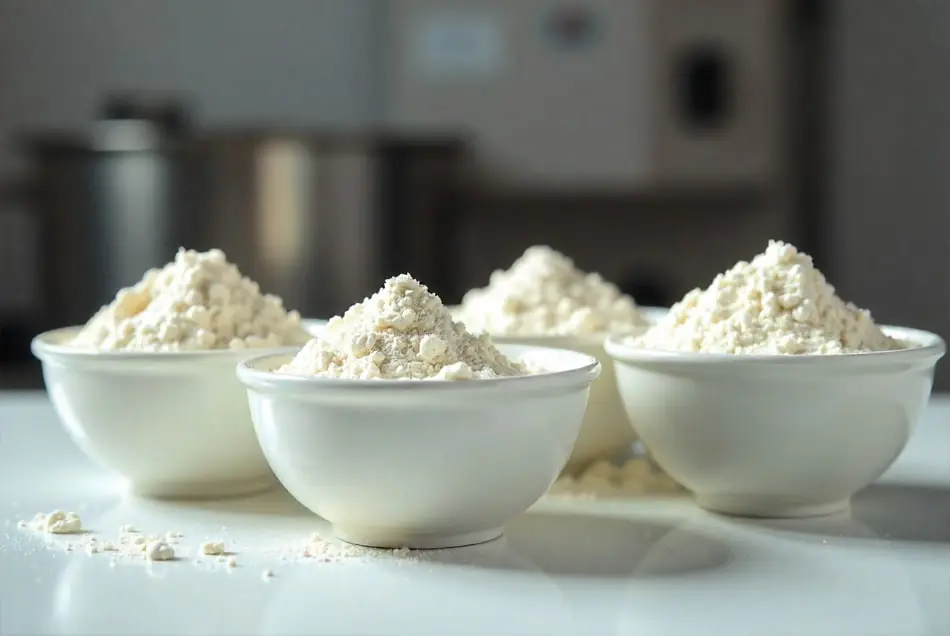
In contrast, milk powder pricing—both WMP and SMP—shows more predictable patterns entering 2026. Milk powders are processed and stored more efficiently, which helps stabilize the market during high-demand seasons.
Advantages for B2B buyers:
• Longer shelf life
• Easier storage and transport
• Consistent year-round availability
• Less seasonal volatility
• Better suitability for annual contracts
Milk powder plays a major functional role in:
• Chocolate mass
• Cream-filled biscuits
• Wafer fillings
• Confectionery coatings
• Milk-based dessert mixes
• Ice cream and frozen treats
As part of seasonal dairy ingredient pricing trends, milk powder becomes a strategic buffer ingredient for manufacturers facing rising butter costs approaching New Year.
Direct Comparison for 2026: Butter vs Milk Powder Pricing Impact
Cost Stability
• Butter: Prone to steep seasonal increases
• Milk Powder: More stable with gradual Q4 adjustments
Functional Performance
• Butter gives flavor depth and premium mouthfeel
• Milk powder provides structure, stability, and lower batch costs
Seasonal Risk
• Butter demand spikes around holiday and New Year manufacturing
• Milk powder remains resilient with mild seasonal movements
Forecast for 2026
Manufacturers planning for early New Year 2026 production should expect:
• Higher winter butter prices from Q4 2025 into Q1 2026
• Steady, more predictable WMP/SMP pricing
• Increased use of hybrid formulations to balance cost and quality
How Seasonal Dairy Ingredient Pricing Will Influence New Year 2026 Production?
As we move into 2026, seasonal dairy ingredient pricing will impact:
• Annual purchasing budgets
• Reformulation decisions
• Production scheduling
• Export readiness for holiday confectionery
• Supplier diversification strategies
• Contract timing and hedging approaches
With the New Year period being one of the strongest global peaks for chocolates, biscuits, cakes, and dairy-rich desserts, manufacturers face pressure to secure adequate butter and milk powder stocks early.
Typical procurement timing for 2026 seasonal production:
• Milk Powder: Q2–Q3 2025
• Butter: Early Q3 before winter volatility begins
• Hybrid ingredient planning: Q3–Q4
Early planning reduces the risk of supply shortages and mitigates Q4 price spikes.
Hiroland’s Advantage: Your Trusted Dairy Ingredient Partner for New Year 2026 Confectionery Production
As global B2B manufacturers and confectionery producers gear up for the high-demand New Year 2026 season, partnering with a reliable dairy ingredient supplier is crucial for maintaining production consistency and controlling costs. Hiroland offers a comprehensive portfolio of premium dairy ingredients designed to meet the needs of industrial-scale food, bakery, beverage, and confectionery operations.
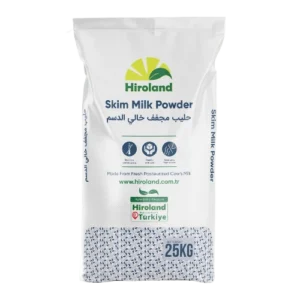
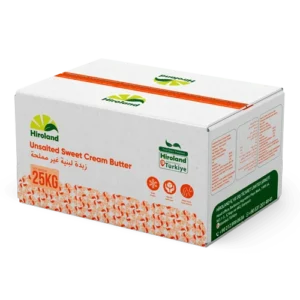
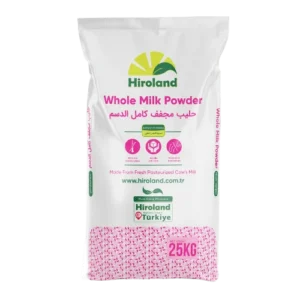
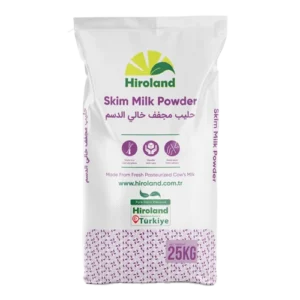
From skim milk powder (SMP), which provides superior structure for baked goods, confectionery creams, and ingredient blends, to whole milk powder (WMP), widely favored for chocolate mass, creams, and indulgent holiday desserts, Hiroland ensures your formulations perform with consistent quality. For manufacturers seeking high-quality butter, Hiroland supplies creamery butter with 82% butterfat, ideal for premium confectionery and bakery applications. In addition, Hiroland’s UHT milk powder solutions enable seamless use in instant beverages, dessert mixes, and other value-added seasonal products.
Leveraging a strategic presence across the Middle East, CIS region, and Asia, Hiroland helps B2B buyers secure stable, high-quality dairy ingredients even during peak demand periods like Christmas and New Year. By offering access to a diverse range of milk powders and butter, Hiroland supports global supply chain diversification, minimizes exposure to seasonal price volatility, and empowers manufacturers to meet festive production goals with confidence.
Procurement Recommendations for 2026 New Year Manufacturing

✔ Lock forward contracts earlier than usual—ideally Q2
✔ Use milk powder strategically to manage butter price peaks
✔ Track global dairy price indices monthly
✔ Maintain larger buffer stocks for Q4 and early Q1 production
These steps help B2B buyers secure stability in recipe costs, production planning, and export timelines.
As we welcome the New Year, Hiroland wishes you a prosperous and productive 2026—contact our team today to secure reliable dairy ingredients for your upcoming manufacturing needs.
Read More: Types of Milk Powder: Which One Can Revolutionize Your Dairy Imports?
Read More: Egg and butter prices drive up UK food inflation as households feel squeeze